
Blog
Guide
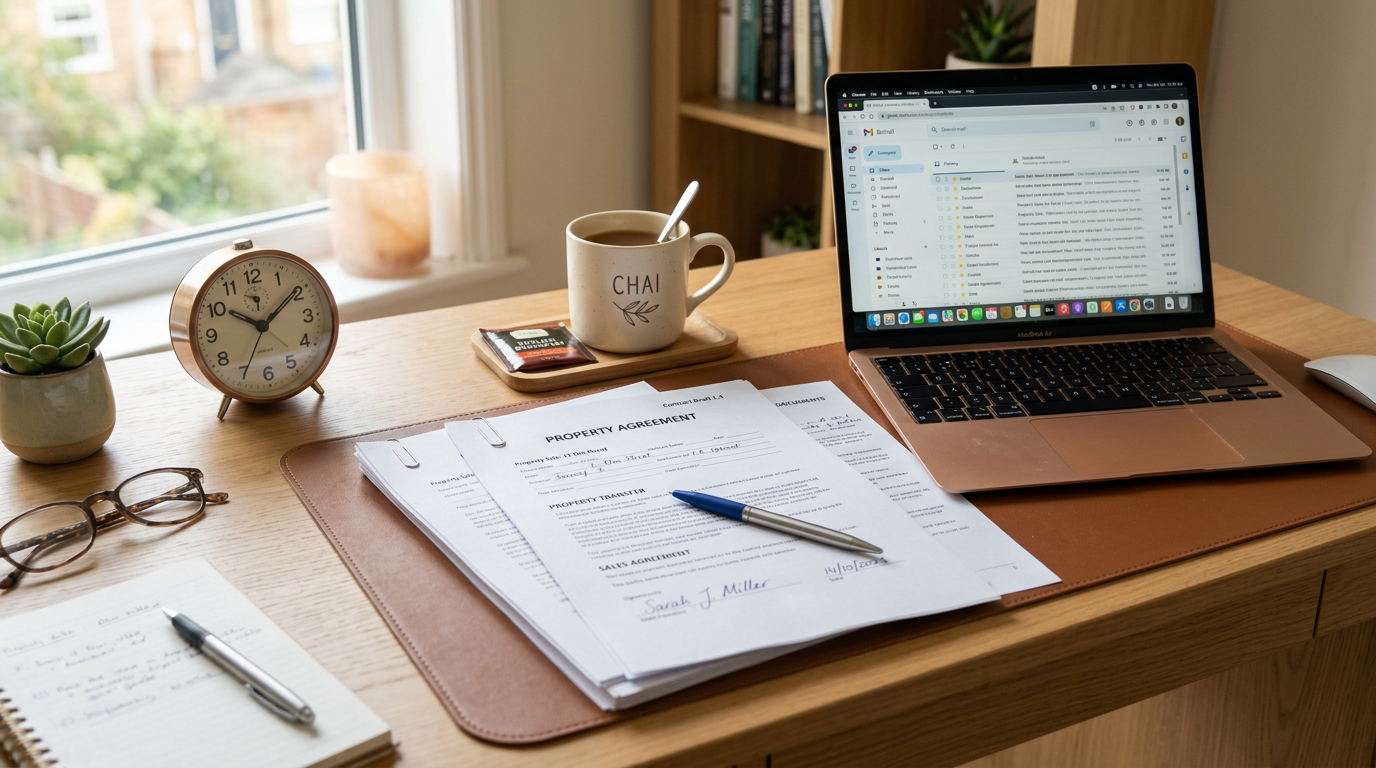
What Can Delay Conveyancing and How Can You Help Keep Things Moving?
Buying or selling a home is exciting, but it can also feel frustrating when progress seems slow. Conveyancing involves several people, documents and checks, so delays can happen for many different reasons.
The good news is that some delays can be reduced with preparation, clear communication and quick responses. Understanding the common causes can help you feel more in control.
Why does conveyancing take time?
Conveyancing is the legal process of transferring property ownership from one person to another. It is not just a paperwork exercise. Your conveyancer needs to check the legal title, review documents, deal with mortgage requirements, raise enquiries and make sure everything is ready before contracts are exchanged.
Each transaction is different. A straightforward freehold purchase may move more quickly than a leasehold property, a long chain or a sale involving missing documents.
Delays with paperwork
One of the most common causes of delay is missing or incomplete paperwork.
For sellers, this may include property information forms, fittings and contents forms, planning documents, building regulation certificates, guarantees or leasehold management packs.
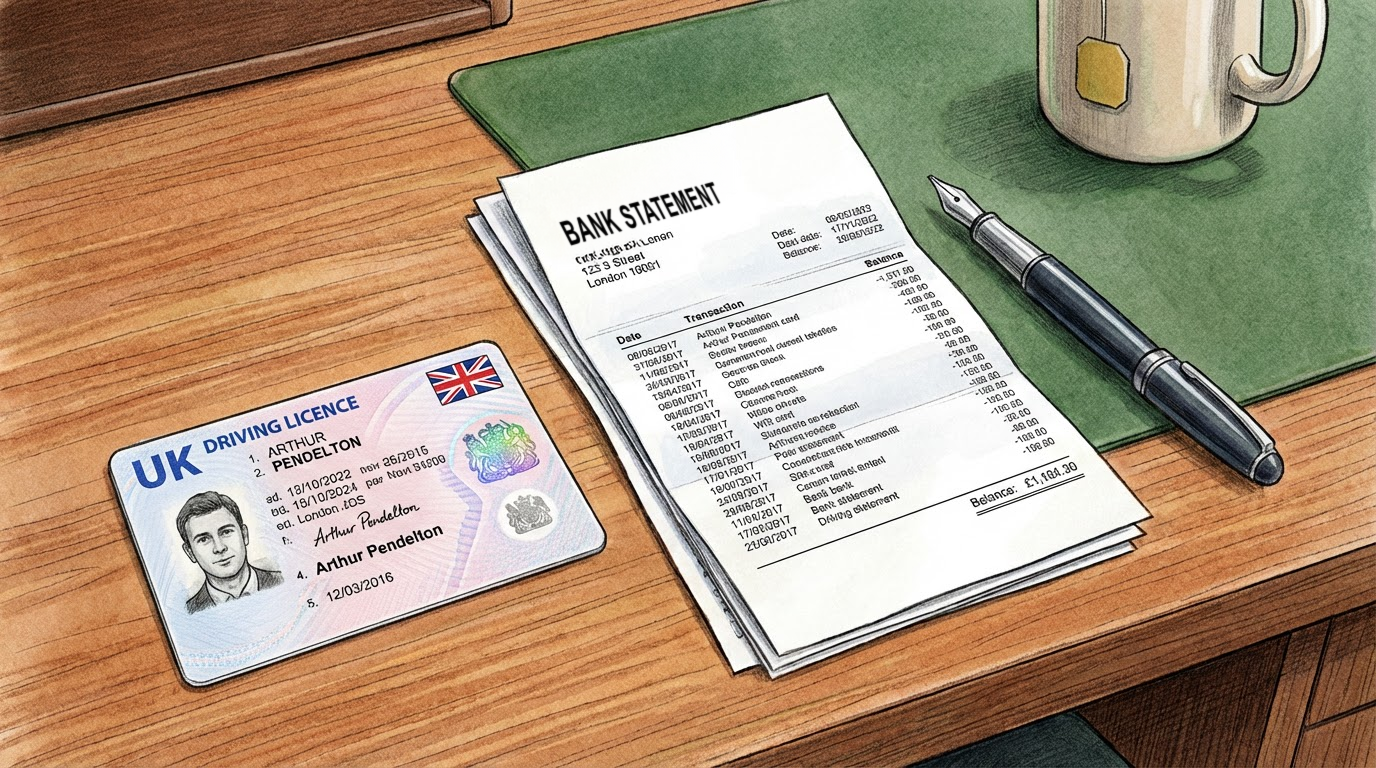
For buyers, delays can happen if identity checks, proof of address or source of funds evidence are not provided promptly.
A useful tip is to gather key documents as early as possible. Sellers do not need to wait until they have accepted an offer before thinking about paperwork.
Property chains
A property chain happens when several linked transactions depend on each other. For example, your seller may also be buying another home, and their seller may also be moving.
If one person in the chain experiences a delay, everyone else can be affected. This might be due to a mortgage issue, survey result, missing document or a buyer pulling out.
Chains can be stressful because not everything is within your control. Regular updates from your estate agent and conveyancer can help you understand where things stand.
Mortgage delays
If a buyer is using a mortgage, the lender will need to issue a formal mortgage offer before exchange can usually take place.
Delays may happen if the lender needs more information, the valuation takes longer than expected, or there are conditions attached to the offer.
Buyers can help by responding quickly to their mortgage broker or lender and making sure all requested documents are supplied.
Search results and enquiries
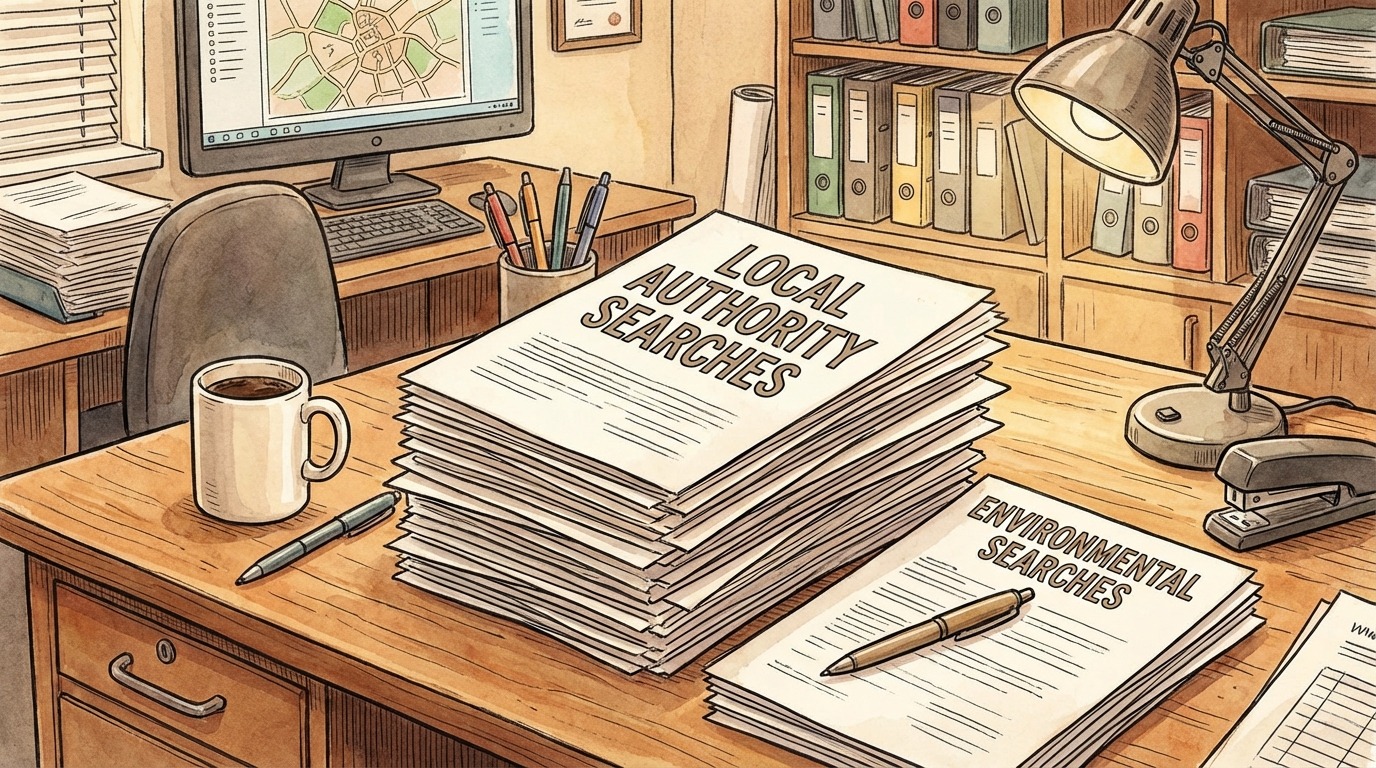
Searches can sometimes reveal issues that need to be investigated before the transaction can continue. These might include planning matters, road adoption issues, drainage concerns or environmental risks.
Your conveyancer may also need to raise enquiries with the other side. Some enquiries are answered quickly, but others depend on third parties such as local authorities, managing agents, landlords or lenders.
Although enquiries can feel like an obstacle, they are there to make sure important points are properly checked before you become legally committed.
Leasehold properties
Leasehold transactions often take longer than freehold ones. This is because there are usually extra parties involved, such as landlords, freeholders or management companies.
The seller may need to obtain a management pack, which includes information about service charges, ground rent, buildings insurance and management arrangements.
If the management company is slow to provide replies, this can cause delays. Sellers of leasehold properties should request the management pack as early as possible.
How you can help keep things moving
There are several practical steps buyers and sellers can take:
Instruct your conveyancer early
Complete forms carefully and promptly
Provide ID and proof of funds as soon as requested
Respond quickly to questions
Keep your mortgage application moving
Tell your conveyancer about any concerns early
Avoid making assumptions based on informal updates
Stay available by phone and email
Small delays in replying can add up, especially if several people in a chain are waiting.
Summary
Conveyancing delays can happen for many reasons, including missing paperwork, property chains, mortgage issues, search results and leasehold information. While some delays are outside your control, being organised and responsive can make a real difference.
At Arrow Conveyancing, we understand how important it is to feel supported throughout the conveyancing process. Whether you're buying, selling, or just planning ahead, our experienced team is here to make things simpler, clearer, and more reassuring.
Visit: www.arrowconveyancing.co.uk
Call: 0116 266 5394
Email: hello@arrowconveyancing.co.uk
Disclaimer
The materials on this website do not constitute legal advice and are provided for general information only. Whether express or implied, no warranty is given concerning such materials. We shall not be liable for any technical, editorial, typographical, or other errors or omissions within the information provided on this website, nor shall we be responsible for the content of any web images or information linked to this website. The information contained in this article does not constitute financial advice or recommendation and should not be considered as such. Arrow Conveyancing does not offer financial advice and is not regulated by the Financial Conduct Authority (FCA). The authors of this article are not financial advisors and are therefore not authorised to offer financial advice.
Published on :
July 3, 2026














.png)


