
Blog
Guide

What happens between exchange and completion? A clear guide for buyers and sellers
Introduction
If you’re buying or selling a home, the period between the exchange of contracts and completion day can feel like a blur of uncertainty. You’ll often hear "It's all legally binding now," but what does that really mean – and what should you be doing next?
What is the time between exchange and completion?
Exchange is the point where the transaction becomes legally binding. Completion is the day the money changes hands and the keys are released. The time between them is usually one to two weeks, but it can be shorter (even the next day) or longer depending on the chain and circumstances.
During this window, you’re essentially getting everything ready for the final handover — while your conveyancer manages the legal and financial steps behind the scenes.
Why is this stage so important?
After the exchange, both buyer and seller are committed to the move. That’s reassuring, but it also means there’s a lot riding on getting the final details right.
This stage matters because:
The buyer needs to make sure funds are ready and any final documents are signed
The seller needs to be prepared to move out on time
Everyone in the chain is coordinating so completion can happen smoothly
It’s often the point where people book removals and make firm plans, so it helps to understand what's happening and what can still cause delays.
What your conveyancer is doing behind the scenes
Although you may not see it, there’s plenty happening between exchange and completion.
For buyers, your conveyancer will usually
Request the mortgage fundsfrom the lender (lenders often need notice)
Prepare a completion statement showing what you need to pay and when
Carry out final checks and any last legal steps needed before completion
Arrange for the purchase money to be transferred on the completion date
For sellers, your conveyancer will usually:
Prepare for repayment of any existing mortgage on the property
Confirm the final figures and completion arrangements with the buyer’s side
Work with the estate agent (if applicable) to confirm key release arrangements
Ensure everything is readyfor the legal transfer on completion day
What you shoulddo as a buyer or seller
This is the stage where being organised can make a real difference.
If you’re buying:
Arrange your buildings' insurance (it’s typically needed from the exchange).
Transfer any required funds in good time (your conveyancer will advise)
Finalise removals, time off work, and practical plans
Make sure you’ve signed and returned any outstanding paperwork promptly
If you’re selling:
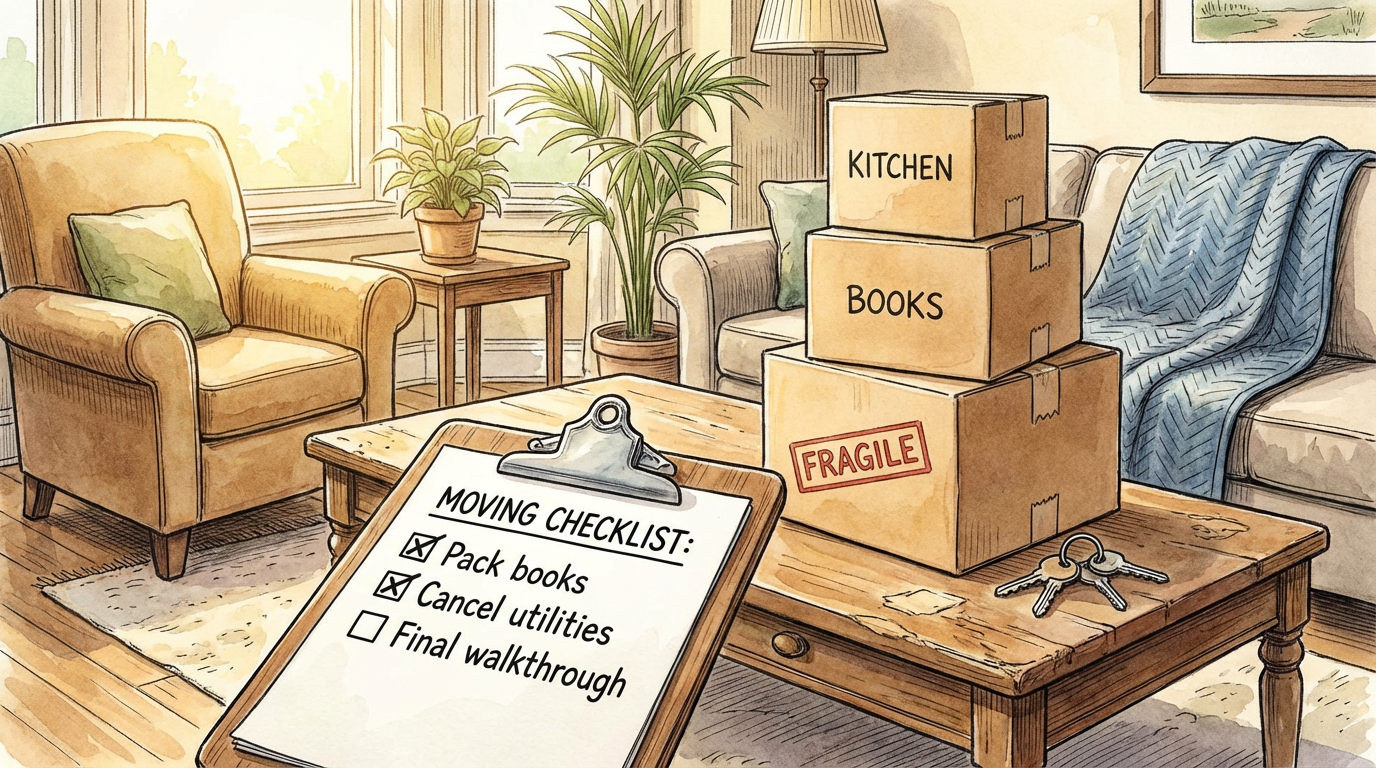
Confirm your removals and packing plan
Make arrangements for utilities and address changes
Ensure you can leave the property empty (unless agreed otherwise)
Keep an eye onemails/phone calls in case your conveyancer needs quick answers
Common issues (and how to avoid them)
Even though the hard part can feel “done” after the exchange, a few common problems can still crop up:
Late transfer of funds: Bank transfer limits and processing times can cause delays; plan ahead.
Chain pressure: If someone else in the chain has an issue, it can affect timings.
Practical timing: Removals, key collection and move-out times can be stressful; confirm expectations early.
Good communication and quick responses are often the simplest way to keep things moving.
Summary
Between exchange and completion, the deal is legally locked in, and the focus shifts to preparing funds, paperwork, and the practical move. It’s a short window, but it’s a critical one — and with the right support, it can feel far more manageable.
At Arrow Conveyancing, we understand how important it is to feel supported throughout the conveyancing process. Whether you're buying, selling, or just planning ahead, our experienced team is here to make things simpler, clearer, and more reassuring.
Visit: www.arrowconveyancing.co.uk
Call: 0116 266 5394
Email: hello@arrowconveyancing.co.uk
Disclaimer
The materials on this website do not constitute legal advice and are provided for general information only. Whether express or implied, no warranty is given concerning such materials. We shall not be liable for any technical, editorial, typographical, or other errors or omissions within the information provided on this website, nor shall we be responsible for the content of any web images or information linked to this website.
The information contained in this article does not constitute financial advice or recommendation and should not be considered as such. Arrow Conveyancing does not offer financial advice and is not regulated by the Financial Conduct Authority (FCA). The authors of this article are not financial advisors and are therefore not authorised to offer financial advice.
Published on :
August 11, 2026

















.png)


