
Blog
Guide

Understanding Title Restrictions: What Buyers Need to Know Before Offering
Understanding Title Restrictions: What Buyers Need to Know Before Offering
When you’re thinking about making an offer on a property, it’s easy to focus on layout, location, and price. But hidden within the title documents, you may find restrictions that affect how you use or alter the home. Understanding these early can help you feel more confident and avoid surprises later in the process.
What Are Title Restrictions?
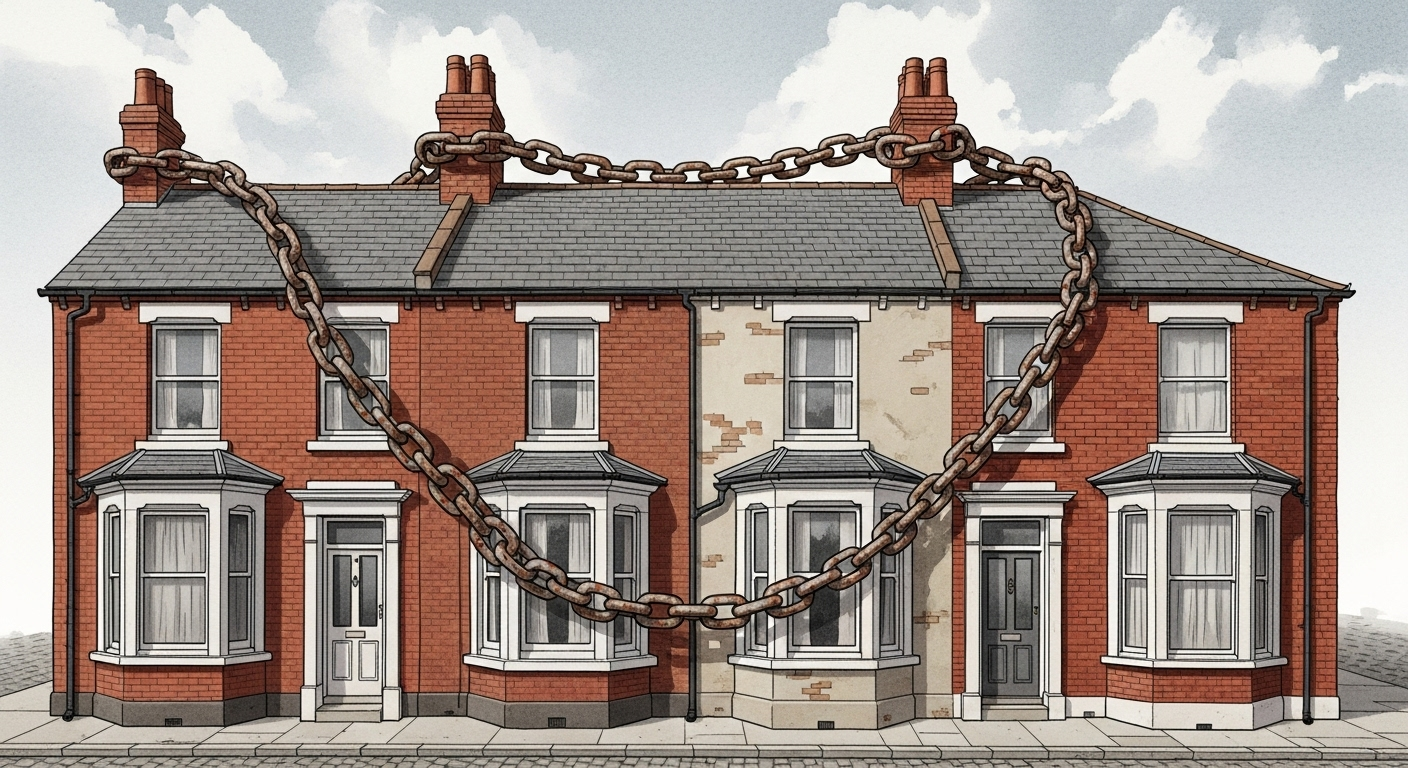
Title restrictions are legal conditions recorded against a property that limit what the owner can do. They usually come in the form of restrictive covenants, rights of way, easements, or agreements with third parties.
Common examples include: - Restrictions on alterations or extensions - Conditions on boundary maintenance - Obligations to contribute to shared access or communal areas - Prohibitions on business use or keeping certain animals
These restrictions are not uncommon, and many properties—especially older homes and new-build estates—have them.
Why Are These Restrictions Important?
Title restrictions matter because they may: - Affect your future plans (e.g., renovating or converting the loft) - Require you to seek permission from a third party - Impose maintenance responsibilities - Limit how you can use the property
Knowing about them before you commit helps you understand the full picture of what you’re buying, so you can make decisions with confidence.
What Should You Expect During Conveyancing?
1. Reviewing the Title Register and Title Plan
Your conveyancer will identify any restrictions registered against the property. They will explain: - What each restriction means in plain English - Whether it affects day-to-day living - Any potential impact on alterations or long-term plans
2. Checking for Covenant Breaches
If previous owners have carried out works without required permissions, this may amount to a breach of covenant. In these cases, your conveyancer may recommend indemnity insurance or seek additional information from the seller.
3. Considering Rights of Way and Access
Some restrictions relate to neighbours’ rights to access certain areas. Your conveyancer will confirm: - Who has the right of access - Whether it affects privacy or future works - Whether it has been used appropriately
4. Contacting Third Parties (Where Needed)
In some situations, consent may be required from an estate management company or original developer. Your conveyancer will guide you through this if it applies.
Common Issues or Tips
- Old covenants: Many restrictions are historic and no longer actively enforced, but they still need proper consideration.
- Ambiguous wording: Some covenants use outdated or vague language. Your conveyancer will help interpret how it applies today.
- Planned renovations: If you intend to extend or alter the property, mention this early so your conveyancer can check compatibility.
Title restrictions are a normal part of many property transactions, but they deserve careful attention. With the right advice, you can fully understand their impact and move forward with clarity and confidence.
At Arrow Conveyancing, we understand how important it is to feel supported throughout the conveyancing process. Whether you’re buying, selling, or just planning ahead, our experienced team is here to make things simpler, clearer, and more reassuring.
Visit: www.arrowconveyancing.co.uk
Call: 0116 266 5394
Email: hello@arrowconveyancing.co.uk
Disclaimer
The materials on this website do not constitute legal advice and are provided for general information only. Whether express or implied, no warranty is given concerning such materials. We shall not be liable for any technical, editorial, typographical, or other errors or omissions within the information provided on this website, nor shall we be responsible for the content of any web images or information linked to this website. The information contained in this article does not constitute financial advice or recommendation and should not be considered as such. Arrow Conveyancing does not offer financial advice and is not regulated by the Financial Conduct Authority (FCA). The authors of this article are not financial advisors and are therefore not authorised to offer financial advice.
Published on :
August 11, 2026

















.png)


