
Blog
Guide

Remortgaging Solicitors
What Is Remortgaging?
Remortgaging usually means replacing the mortgage on your current home with a new mortgage from a different lender, without moving property. People sometimes use the word more broadly for changing mortgage deals, but moving to a new deal with the same lender is normally called a 'product transfer' rather than a 'remortgage'.
A remortgage can be considered for many reasons. Your existing fixed or discounted deal may be approaching its end; you may want to change the type or term of your mortgage, or you may wish to borrow more against the value of your home. Some homeowners also remortgage when releasing equity or changing the ownership of the property.
The mortgage product itself is a financial matter. A mortgage adviser or lender can explain rates, affordability, early repayment charges and whether a particular product is suitable. The conveyancer handles the legal side: checking the title, satisfying the new lender’s legal requirements, paying off the existing mortgage, registering the new lender’s charge and dealing with any related ownership changes.
If you stay with the same lender and simply switch to another product, separate conveyancing is often unnecessary. When you move to a different lender, legal work will normally be required because the existing lender’s charge must be discharged and the new lender’s charge registered against the property.
What Is the Process of Remortgaging?
The pre-mortgage conveyancing process varies according to the lender, the property and whether anything else is changing at the same time. A straightforward change of lender commonly follows these stages: Put simply, how does remortgaging work? You choose and apply for a new mortgage, the lender issues an offer, the legal title and lender requirements are checked, the old mortgage is repaid and the new charge is registered. This is the core answer to how to remortgage and what happens when you remortgage.
1. You choose a mortgage deal: You apply to the lender directly or through a mortgage adviser. Arrow does not recommend mortgage products or rates; its role begins with the legal work once a remortgage is proceeding.
2. The conveyancer opens the legal file: identity and anti-money-laundering checks are completed, the property title is obtained and information about the existing mortgage is gathered.
3. The new mortgage offer is reviewed: Your conveyancer receives the mortgage offer and lender instructions, checks the legal conditions and ensures the property title can satisfy the new lender’s requirements.
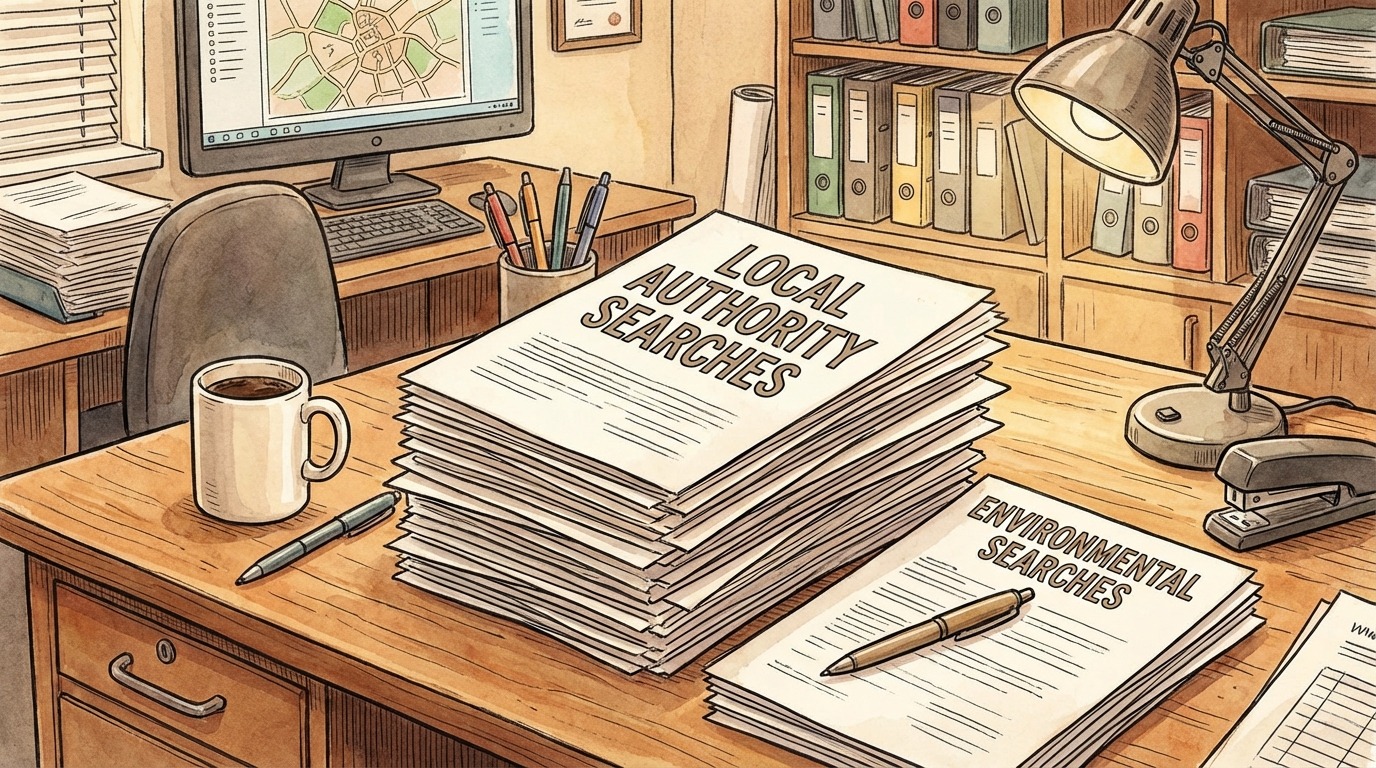
4. Title and property checks are dealt with: The title is reviewed for restrictions, existing charges and other matters affecting the lender’s security. Many lenders do not require a full set of property searches for a remortgage; where searches are waived, a lender may require no-search indemnity insurance instead.
5. The existing mortgage is prepared for redemption: An up-to-date redemption statement is requested from the current lender. This confirms the amount needed to repay the existing mortgage on the intended completion date.
6. Documents are signed and a completion date is agreed upon: You sign the new mortgage deed and any other documents required. Unlike a sale or purchase, there is normally no exchange of contracts in a straightforward remortgage.
7. Completion takes place: The new lender sends the mortgage funds. Your conveyancer uses the money to redeem the old mortgage and deals with any authorised balance due to you or other payments forming part of the transaction.
8. The land registry is updated: The old lender’s charge is removed and the new lender’s legal charge is registered at HM Land Registry. Your conveyancer also deals with any post-completion requirements.
A transfer of equity can be completed alongside a remortgage where the ownership of the property is also changing, for example, after separation or when adding a partner. That is additional legal work, not simply part of changing lenders. It may also create tax consequences depending on the consideration given and the mortgage debt being taken on, so the circumstances must be checked individually. Arrow has a separate Transfer of Equity service for this type of transaction.
What Are the Benefits of Remortgaging?
Whether remortgaging is beneficial is a financial decision that depends on the mortgage products available to you, fees, your remaining balance, loan-to-value, personal circumstances and future plans. Arrow can carry out the conveyancing once you have chosen how to proceed, but it does not advise on which mortgage is best.
Common reasons people consider remortgaging include moving away from a lender’s standard variable rate when an introductory deal is ending, securing a different interest rate structure, changing the mortgage term, obtaining features that better suit their circumstances or borrowing additional money against the property. These are among the most common reasons to remortgage.
Some homeowners remortgage to release equity. This means increasing secured borrowing against the home and receiving part of the funds for another purpose. That can include home improvements or other expenditure, but borrowing more against your home increases the amount secured on it and can increase the total interest paid. Independent financial or mortgage advice is particularly important before using secured borrowing to consolidate unsecured debts.
A lower headline interest rate does not automatically make a remortgage cheaper overall. Arrangement fees, valuation fees, legal costs, exit charges and any early repayment charge on the existing mortgage can change the calculation. MoneyHelper therefore recommends considering the whole cost of switching rather than comparing rates alone.
How Much Does It Cost to Remortgage?
The cost of remortgaging depends on both the mortgage deal and the legal work required. There is no single fee that applies to every transaction, and some lenders include a valuation or legal package as part of a remortgage product. A solicitor fee for remortgage work varies with the property, lender requirements and any additional title or ownership work.
As a broad current guide, consumer comparison sources put remortgage conveyancing fees at around £300 for a straightforward matter, while other providers quote a wider typical legal-fee range of roughly £300 to £1,000 depending on complexity. Your actual arrow quote should be treated as the relevant figure for your matter rather than any national average.
Other possible costs sit outside the conveyancer’s basic legal fee. These can include a lender arrangement or product fee, a valuation fee, an account or exit fee from the old lender, Land Registry and search-related disbursements, and an early repayment charge if you leave an existing deal before the end of its incentive period. MoneyHelper notes that the total cost of changing a mortgage can be £1,000 or more once these different charges are taken into account.
Legal / conveyancing fee:
The charge for the legal work. Some lenders provide a free or subsidised legal package; otherwise, obtain an itemised quote.
Early repayment charge
May apply if you leave the existing mortgage deal early. Check the current lender’s redemption terms.
Product / arrangement fee:
Charged by some new lenders for the mortgage product. This is separate from Arrow’s legal fee.
Valuation fee:
A lender may arrange a valuation and may or may not charge for it.
Land Registry and other disbursements:
Third-party charges can arise for title information, registration, searches or indemnity cover.
Do you pay stamp duty land tax on a remortgage?
A straightforward remortgage that simply replaces one mortgage with another, with no change in beneficial ownership, does not normally create a Stamp Duty Land Tax charge. However, if the remortgage is combined with a transfer of equity, SDLT can become relevant because taking responsibility for an existing mortgage debt can count as chargeable consideration. The position depends on the facts and current tax rules, so it should not be assumed that every remortgage-and-transfer transaction is tax-free. In everyday terms, do you pay stamp duty on a remortgage? Usually not on a straightforward remortgage with no ownership transfer, although tax can arise in some transfer-of-equity situations.
Arrow does not set mortgage interest rates and does not compare or recommend the best remortgage deals. Once you have selected a lender or product, the conveyancing team can explain the legal fees and disbursements associated with completing the transaction. People searching for the best remortgage rates in the UK should speak to a regulated mortgage adviser or lender; Arrow deals with the legal conveyancing once the mortgage offer is issued.
How Arrow Conveyancing Can Help
If you are changing mortgage lenders, you will normally need a solicitor or licensed conveyancer to carry out the legal work required by the new lender. The conveyancer checks the title, deals with the lender’s instructions, obtains the redemption figure for the old mortgage, handles the mortgage funds and registers the new charge. A simple product transfer with your existing lender usually does not require separate conveyancing. Do I need a solicitor to remortgage? When moving to a new lender, the lender will normally require a regulated conveyancer or solicitor to complete the legal work.
Arrow Conveyancing is a specialist conveyancing practice regulated by the Council for Licensed Conveyancers. Its remortgaging service includes reviewing the title and new mortgage instructions, checking whether searches or no-search indemnity cover is required, redeeming the existing mortgage on completion and dealing with Land Registry requirements afterwards.
Because remortgaging may be linked with a transfer of equity, leasehold requirements, Help to Buy arrangements, additional secured borrowing or other title issues, it is useful to tell the team at the outset about anything beyond a simple lender switch. That allows the quote and legal work to reflect the real transaction.
Arrow promotes transparent, fixed legal fees. The team can provide a specific quote for your remortgage and explain which disbursements or additional legal work applies before you proceed.
Remortgaging FAQs
How long does a remortgage take? (How long does it take to remortgage?)
A straightforward remortgage often takes around four to eight weeks once the legal work is underway, but there is no guaranteed timescale. Delays can arise from lender requirements, title issues, leasehold information, additional borrowing, transfer of equity or outstanding documents. Arrow can give a more useful estimate once it knows the details of your transaction.
When can I remortgage? Can you remortgage early? How early can you remortgage, and how soon can I remortgage?
You can usually explore a remortgage before your current deal ends, and many people start comparing options several months in advance. You can also remortgage during a fixed term, but an early repayment charge may make switching expensive. Check the existing mortgage terms and obtain mortgage advice if you need help comparing the financial options.
Can you remortgage during a fixed term or with the same lender? Can you remortgage early with the same lender?
You can change mortgage arrangements during a fixed term, subject to the lender’s terms and any early repayment charge. Moving to a new deal with the same lender is usually a product transfer rather than a remortgage and commonly needs no separate conveyancing. Moving to a different lender normally does require legal work.
What happens if I can't remortgage?
If a new lender does not approve an application, you may be able to discuss another product with your current lender or seek advice about other available options. Reasons can include affordability, credit history, property value, loan-to-value or lender criteria. Arrow can deal with the legal work where a suitable remortgage proceeds, but it cannot advise which mortgage product you should take.
Do I need to get my house valued to remortgage? Remortgage valuation: how to get your house valued for a remortgage, and when remortgaging, who values your house?
A new lender normally needs to assess the property value because it affects the loan-to-value and the security for the mortgage. How the valuation is carried out depends on the lender: it may be automated, desktop-based or involve a physical inspection. A mortgage valuation is for the lender and is not the same as a full structural survey.
Can I remortgage with bad or poor credit? Remortgage with bad credit, bad credit remortgage, poor credit remortgage and remortgaging with bad credit are common searches; lender criteria vary.
Possibly. Credit history is one factor lenders consider alongside affordability, equity, income, property type and their own lending criteria. Availability and pricing may be different for applicants with adverse credit. A regulated mortgage adviser can help with product suitability; Arrow handles the legal work once a lender has made an offer.
Can I remortgage to pay off or consolidate debt? Can I remortgage to pay off debt, remortgage to clear debt, or remortgage to consolidate debt?
It may be possible to borrow more against your home and use the money to repay other debts, subject to lender approval. This converts or replaces borrowing with debt secured against your home and can increase the amount and duration of interest you pay.It is a financial decision on which appropriate advice should be taken; Arrow does not provide debt or mortgage advice.
Can I remortgage to release equity? Can you remortgage to release equity, and can I release equity when I remortgage?
Yes, subject to the new lender’s valuation, affordability assessment and lending criteria. Releasing equity means increasing or restructuring borrowing secured against the property so that funds are made available. The conveyancer handles the legal completion and registration rather than advising whether the additional borrowing is financially suitable.
I own my house outright – can I still remortgage it? (I own my house outright. Can I remortgage?)
Yes. A mortgage can potentially be taken out against a property that is currently mortgage-free, subject to the lender’s criteria and affordability assessment. Legally, there is no existing mortgage to redeem, but the new lender’s charge still needs to be registered against the title.
Is remortgaging a good idea?
It can be beneficial in the right circumstances, but it is not automatically the best option. The answer depends on rates, fees, early repayment charges, how much you owe, the remaining term, your loan-to-value and what you want to achieve. Mortgage suitability is outside Arrow’s regulated conveyancing role, so take financial or mortgage advice where needed before choosing a deal.
Ready to Remortgage? Talk to Arrow Conveyancing
CLEAR,
If you are moving to a new lender, releasing equity or combining a remortgage with a transfer of equity, Arrow Conveyancing can handle the legal work from mortgage offer through to completion and land registry registration.
Arrow Conveyancing focuses exclusively on conveyancing and offers transparent, fixed legal fees. Ask the team for a quote based on the details of your remortgage.
Call: 0116 266 5394 | Email: hello@arrowconveyancing.co.uk
Website: www.arrowconveyancing.co.uk
Head Office: 2nd Floor, Mansion House, 41 Guildhall Lane, Leicester, LE1 5FQ
Disclaimer
The materials on this website do not constitute legal advice and are provided for general information only. Whether express or implied, no warranty is given concerning such materials. We shall not be liable for any technical, editorial, typographical, or other errors or omissions within the information provided on this website, nor shall we be responsible for the content of any web images or information linked to this the website.
The information contained in this article does not constitute financial advice or recommendation and should not be considered as such. Arrow Conveyancing does not offer financial advice and is not regulated by the Financial Conduct Authority (FCA). The authors of this article are not financial advisors and are therefore not authorised to offer financial advice.
Published on :
August 12, 2026
















.png)


