
Blog
Guide

What Happens Between Offer Accepted and Exchange of Contracts?
Having your offer accepted on a property is an exciting moment, but it’s important to understand that there are still several key steps before everything becomes legally binding. The period between offer acceptance and exchange of contracts is often where the most work takes place behind the scenes.
Understanding what happens during this stage can help manage expectations and reduce unnecessary stress.
What does “offer accepted” actually mean?
When an offer is accepted, it means the seller has agreed in principle to sell the property to you at the agreed price. However, at this stage, neither party is legally bound to proceed.
This means that either side can still withdraw from the transaction without legal penalty. While this can feel uncertain, it is a normal part of the process.
Instructing your conveyancer
Once your offer is accepted, one of the first steps is to instruct a conveyancer. They will begin the legal work required to transfer ownership of the property.
Your conveyancer will:
- Contact the seller’s solicitor
- Request the draft contract pack
- Begin reviewing legal documents relating to the property
Getting this stage underway quickly can help keep things moving smoothly.
Property searches and checks
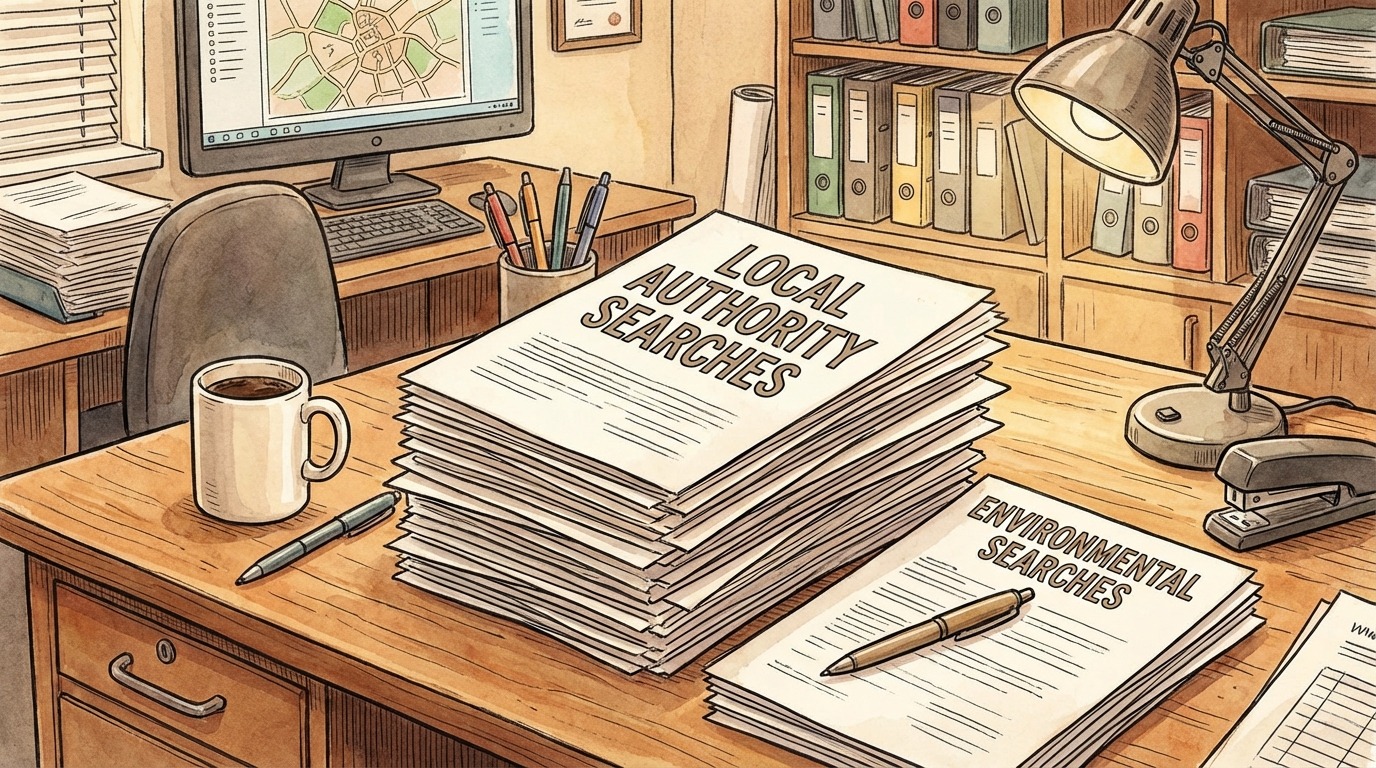
A key part of the process involves carrying out property searches. These provide important information about the property and the surrounding area.
Searches typically include:
- Local authority searches (planning, roads, etc.)
- Environmental searches (flood risk, contamination)
- Drainage and water searches
These checks help identify any issues that could affect your decision to proceed.
Survey and mortgage arrangements
At the same time, buyers usually arrange a survey and finalise their mortgage.
A survey provides insight into the property's condition and can highlight potential issues. Meanwhile, your mortgage lender will carry out their own valuation before issuing a formal mortgage offer.
Both of these steps are important in ensuring you are making a well-informed decision.
Raising enquiries
Once the seller’s solicitor provides documentation, your conveyancer will review everything carefully and raise any necessary enquiries.
These enquiries might relate to:
- Boundaries or access rights
- Fixtures and fittings
- Planning permissions
- Any discrepancies in the paperwork
This stage is essential for clarifying details and ensuring there are no surprises later on.
Why can this stage feel slow?
It’s common for this part of the process to feel slower than expected. This is often because multiple parties are involved, including solicitors, lenders, surveyors, and local authorities.
Delays can occur due to:
- Waiting for search results
- Additional enquiries
- Mortgage processing times
While it can be frustrating, these steps are important in protecting all parties involved.
Summary
The period between offer accepted and exchange of contracts is a crucial part of the conveyancing process. While it may not always feel fast-paced, it is where the key legal and practical checks take place.
With the right support and clear communication, this stage can be managed effectively, helping to ensure everything is in place before you move forward.
At Arrow Conveyancing, we guide you through each step with clarity and reassurance. From the moment your offer is accepted through to exchange, our team is here to keep you informed and help everything progress as smoothly as possible.
Visit: www.arrowconveyancing.co.uk
Call: 0116 266 5394
Email: hello@arrowconveyancing.co.uk
Disclaimer
The materials on this website do not constitute legal advice and are provided for general information only. Whether express or implied, no warranty is given concerning such materials. We shall not be liable for any technical, editorial, typographical, or other errors or omissions within the information provided on this website, nor shall we be responsible for the content of any web images or information linked to this website.
The information contained in this article does not constitute financial advice or recommendation and should not be considered as such. Arrow Conveyancing does not offer financial advice and is not regulated by the Financial Conduct Authority (FCA). The authors of this article are not financial advisors and are therefore not authorised to offer financial advice.
Published on :
May 19, 2026

















.png)


