
Blog
Guide
Common causes of conveyancing delays (and what you can do about them)
Introduction
One of the biggest worries for buyers and sellers is delay. You might be ready to move, but the legal process can feel like it’s moving at a different pace. The good news is that many delays are predictable — and with the right preparation, some can be reduced or avoided.
What does “delay” usually mean in conveyancing?
A delay can be anything that slows progress towards exchange and completion. It might be waiting for information, documents, replies, or third parties such as mortgage lenders, management companies, or local authorities.
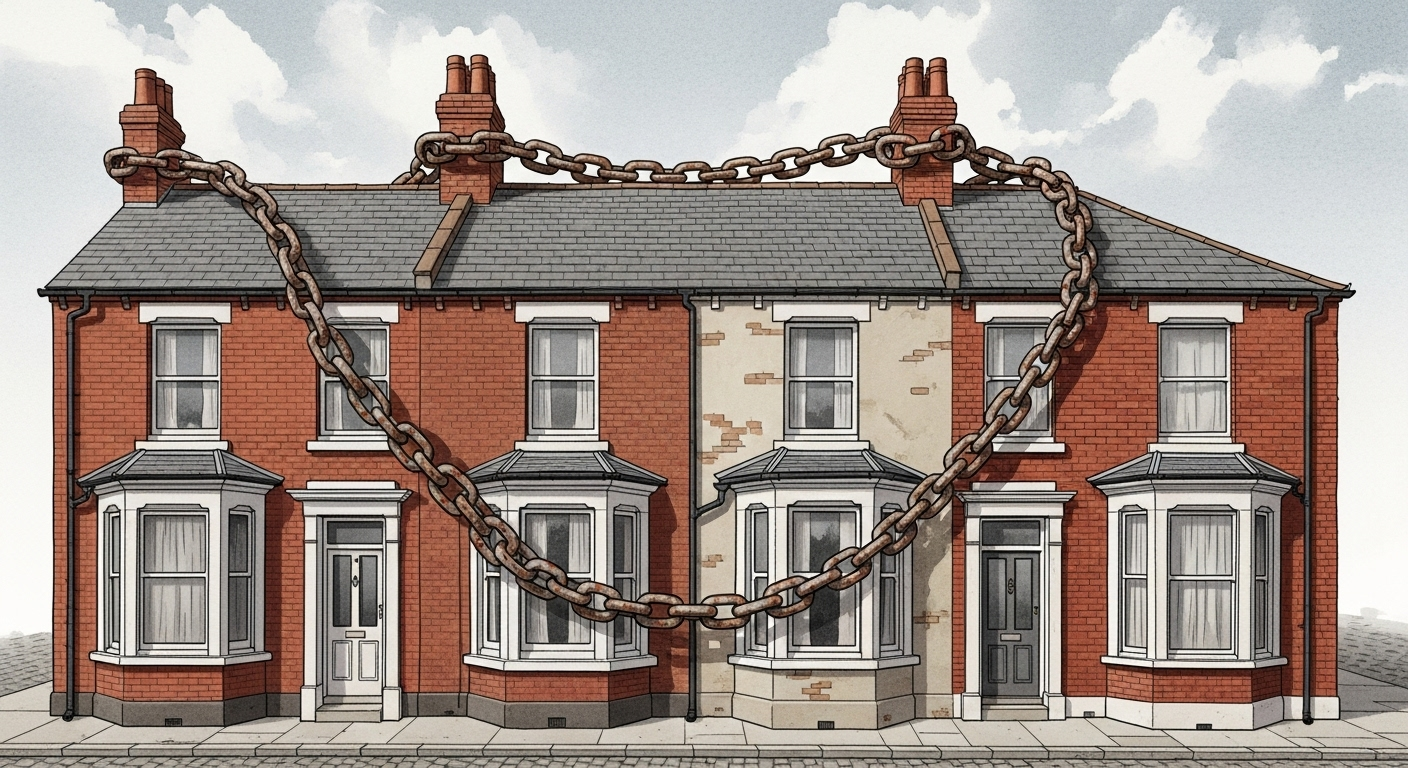
Conveyancing isn't just one task — it’s a chain of steps, and if one link slows down, it can affect everything else.
The most common causes of delay
1) Property chains
If you’re in a chain, your move depends on multiple transactions lining up. A delay anywhere can ripple through the whole chain.
2) Searches taking longer than expected
Search times can vary depending on the local authority and workload. Some areas process quickly; others take longer.
3) Missing or incomplete paperwork
Simple issues like unsigned documents, incorrect names, or missing forms can stop things progressing until corrected.
4) Mortgage offer delays
Mortgage processing can take time, especially if the lender needs extra checks, updated documents, or a valuation issue is flagged.
5) Slow responses from third parties
Leasehold transactions can be delayed by management information packs, service charge details, or freeholder replies. Even for freehold, delays can happen if a party is slow to respond.
What you can do to help keep things moving
You can’t control everything, but a few actions often make a real difference:
Instruct your conveyancer early (don't wait until you “have to”)
Get your ID and documents ready as soon as asked
Reply quickly to questions and requests even a short acknowledgement helps
Be upfront about unusual (gifted deposits, name changes, leasehold details)
Keep communication flowing; if you’re unsure, ask rather than waiting
Even one day saved here and there can reduce stress, especially in a chain.
A realistic way to think about timelines
Conveyancing timings vary. A straightforward matter can progress more quickly, while chains, leaseholds, or lender issues can add time. It can help to focus on steady progress rather than “exact dates” early on.
If you're planning removals, it’s usually best to wait until exchange has taken place before making firm, non-refundable commitments.
Summary
Delays are frustrating, but they’re often caused by a small number of recurring issues: chains, searches, paperwork, mortgage offers, and third-party responses. Being prepared, responsive, and supported by a proactive conveyancer can make the process feel far more manageable.
At Arrow Conveyancing, we understand how important it is to feel supported throughout the conveyancing process. Whether you're buying, selling, or just planning ahead, our experienced team is here to make things simpler, clearer, and more reassuring.
Visit: www.arrowconveyancing.co.uk
Call: 0116 266 5394
Email: hello@arrowconveyancing.co.uk
Disclaimer
The materials on this website do not constitute legal advice and are provided for general information only. Whether express or implied, no warranty is given concerning such materials. We shall not be liable for any technical, editorial, typographical, or other errors or omissions within the information provided on this website, nor shall we be responsible for the content of any web images or information linked to this website.
The information contained in this article does not constitute financial advice or recommendations and should not be considered as such. Arrow Conveyancing does not offer financial advice and is not regulated by the Financial Conduct Authority (FCA). The authors of this article are not financial advisors and are therefore not authorised to offer financial advice.
Published on :
August 11, 2026

















.png)


