
Blog
Guide

Exchange and Completion: What Is the Difference?
Exchange and completion are two of the most important stages in the conveyancing process. They are often mentioned together, but they are not the same thing.
For buyers and sellers, understanding the difference can help reduce stress and make the final stage of moving home feel much clearer.
What is exchange of contracts?
Exchange of contracts is the point where the buyer and seller become legally committed to the transaction.
Before exchange, either side can usually withdraw from the sale or purchase. After exchange, backing out can have serious legal and financial consequences.
At exchange, the conveyancers for both sides agree that everything is ready. The contracts are then formally exchanged, usually by telephone, and the completion date is fixed.
What needs to happen before exchange?
Before exchange can take place, several things usually need to be ready.
For a buyer, this may include:
A mortgage offer, if required
Search results received and checked
Enquiries answered satisfactorily
Deposit funds available
Signed contract and other documents returned
Buildings insurance arranged, if needed
For a seller, this may include:
Signed contract returned
Replies to enquiries provided
Completion documents prepared
Mortgage redemption information requested, if there is an existing mortgage
Your conveyancer will let you know when you are ready to exchange.
What is completion?
Completion is the day the property legally changes hands.
For buyers, completion is usually the day they receive the keys. For sellers, it is the day they move out and receive the sale proceeds, after any mortgage or costs are paid.
On the day of completion, the buyer’s conveyancer sends the purchase money to the seller’s conveyancer. Once the money is received, the seller’s conveyancer confirms completion and the estate agent can release the keys.
Can exchange and completion happen on the same day?
Yes, exchange and completion can happen on the same day, but it is not always recommended or possible.
Same-day exchange and completion can create extra pressure because no one is legally committed until exchange has taken place. This can make booking removals or arranging time off work more uncertain.
In many transactions, there is a gap between exchange and completion. This gives everyone time to prepare for moving day with more confidence.
What happens between exchange and completion?
Once contracts have been exchanged, the completion date is fixed. This is when buyers and sellers can make final arrangements.
During this period:
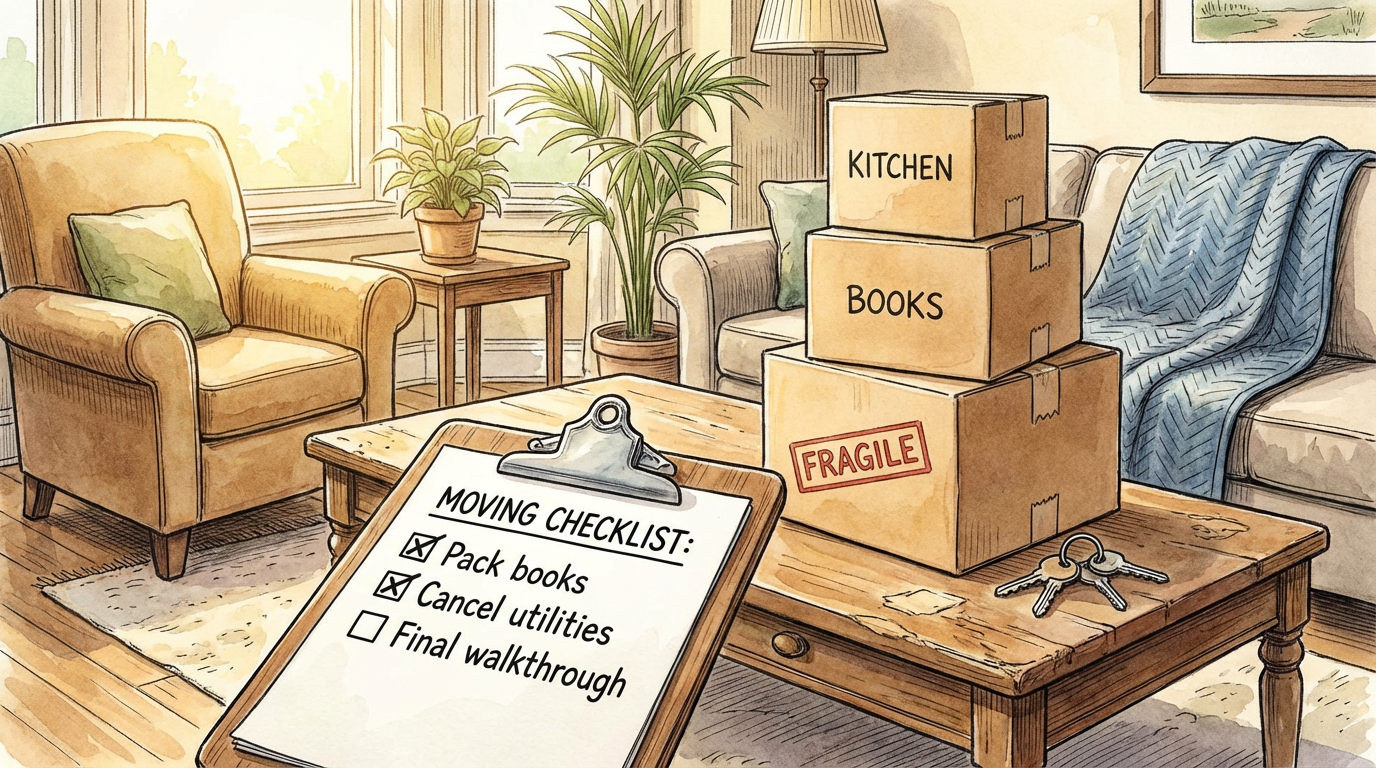
Buyers can organise removals
Sellers can finish packing
Funds can be requested from mortgage lenders
Final checks can be completed
Completion statements can be finalised
Your conveyancer will also prepare for the transfer of money on completion day.
Why the difference matters
The key difference is legal commitment.
Exchange makes the transaction legally binding. Completion is when ownership transfers and the keys are released.
This is why it is important not to assume the move is guaranteed until exchange has happened. Even if everyone is aiming for a particular date, it only becomes legally fixed once contracts are exchanged.
Summary
Exchange and completion are closely connected, but they serve different purposes. Exchange is the legal commitment to buy or sell, while completion is the final transfer of ownership and money.
Knowing what each stage means can help you plan your move more confidently and avoid confusion during the final steps.
At Arrow Conveyancing, we understand how important it is to feel supported throughout the conveyancing process. Whether you're buying, selling, or just planning ahead, our experienced team is here to make things simpler, clearer, and more reassuring.
Visit: www.arrowconveyancing.co.uk
Call: 0116 266 5394
Email: hello@arrowconveyancing.co.uk
Disclaimer
The materials on this website do not constitute legal advice and are provided for general information only. Whether express or implied, no warranty is given concerning such materials. We shall not be liable for any technical, editorial, typographical, or other errors or omissions within the information provided on this website, nor shall we be responsible for the content of any web images or information linked to this website. The information contained in this article does not constitute financial advice or recommendation and should not be considered as such. Arrow Conveyancing does not offer financial advice and is not regulated by the Financial Conduct Authority (FCA). The authors of this article are not financial advisors and are therefore not authorised to offer financial advice.
Published on :
July 3, 2026

















.png)


