
Blog
Guide
.jpg)
Transfer of Equity Solicitors
What Is Transfer of Equity?
A transfer of equity is a legal change to the ownership of a property. It usually involves adding somebody to the title, removing somebody from it, or changing the shares held by existing owners without necessarily completing a full sale on the open market.
In simple terms, the transfer of equity meaning concerns who legally owns the property after the transaction. People searching 'What is a transfer of equity?', 'What is the transfer of equity?' or 'What does transfer of equity mean? 'are usually dealing with a change in names or ownership shares rather than a conventional purchase.
An equity transfer may involve a payment, a gift, a mortgage, a remortgage or no money changing hands at all. The title must still be updated correctly at HM Land Registry, and the parties must understand how the property will be owned after completion.
Why Use a Transfer of Equity Solicitor?
A transfer of equity solicitor deals with the legal, lender, tax and registration work needed to change ownership. Obtaining transfer of equity advice early is especially important where there is a mortgage, a payment between the parties, a divorce or separation, a leasehold property or a disagreement about ownership.
· Reviewing the title, mortgage and any restrictions affecting the proposed change;
· Liaising with the mortgage lender and satisfying its conditions;
· Preparing the transfer deed andany declaration of trust or lender documents;
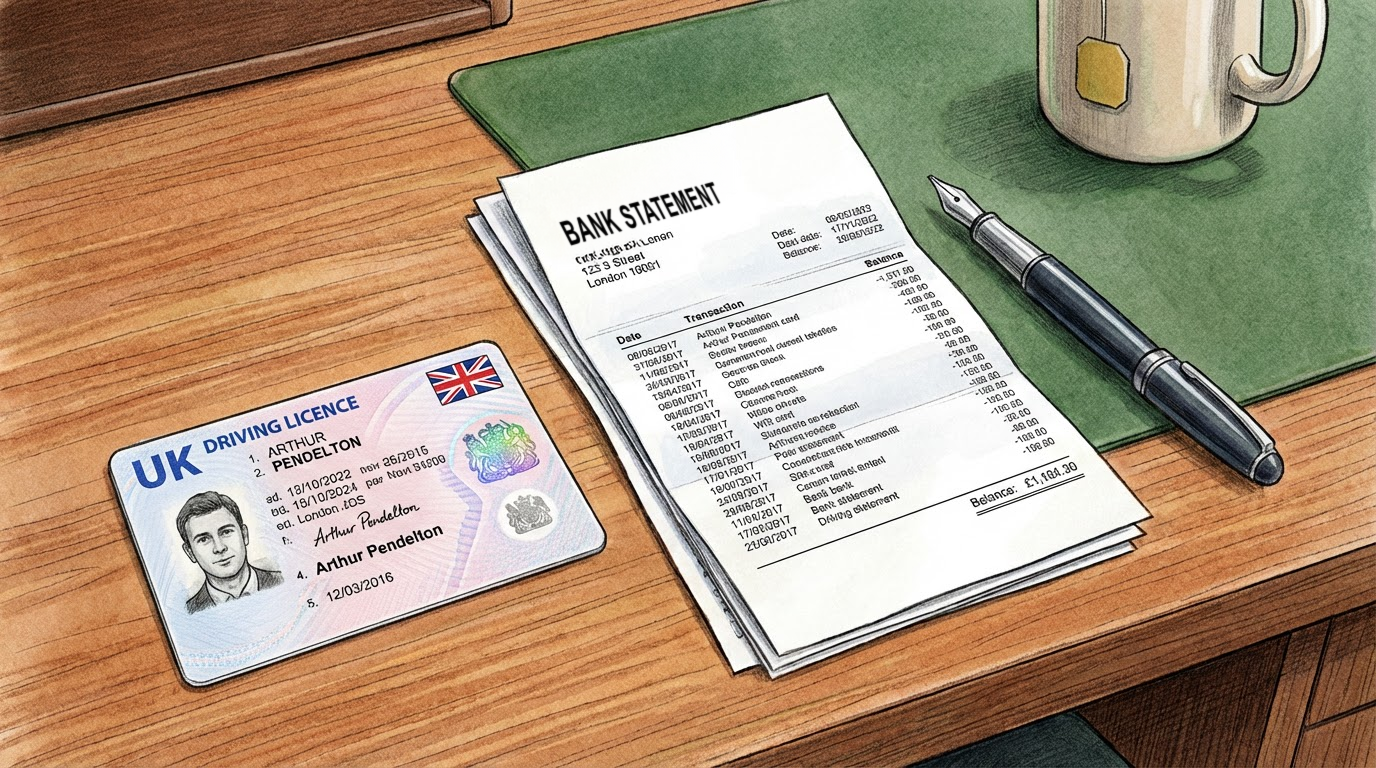
· Carrying out identity, anti-money-laundering and source-of-funds checks;
· Considering whether Stamp Duty, Land Tax or a return may be relevant and identifying when specialist tax advice is needed;
· Handling any agreed payment andcompletion funds; and
· Applying to HM Land Registry to update the registered title.
A transfer of equity without solicitor involvement may be legally possible in a very simple mortgage-free case, but it can be risky. A lender will usually require a conveyancer, and errors can affect legal ownership, mortgage liability, tax and a future sale. Anyone considering a transfer of equity without a solicitor should understand that HMLand Registry forms are only one part of the transaction.
How Does Transfer of Equity Work?
How does a transfer of equity work in practice? The exact route depends on the title, mortgage and agreement, but the usual stages are the following:
1. Initial instructions and checks. The conveyancer confirms who is being added or removed, reviews the title and verifies identity.
2. Mortgage arrangements. The existing lender must consent to the change, release an outgoing borrower or approve an incoming owner. A new mortgage offer may be required.
3. Legal documents. The transfer deed is prepared together with any declaration of trust, lender deed or consentor restriction paperwork.
4. Tax and completion figures. The parties approve any payment, mortgage funds, legal fees, Land Registry fees and tax due.
5. Completion. The transfer takes effect on the agreed date and any money is sent as required.
6. Registration. The conveyancer submits the application to HM Land Registry so the new ownership appears on the register.
For somebody researching how to transfer home ownership, it is important to distinguish the title from the mortgage. A transfer of property ownership from joint to single UK ownership normally requires both a valid transfer deed and lender approval if a mortgage remains.
Reasons to Transfer Equity
Common reasons include adding a spouse or partner, removing a former partner after separation, gifting a share to a family member, changing ownership shares, implementing a divorce settlement or combining the change with refinancing.
A transfer of equity mortgage arrangement may involve the existing lender agreeing to release one borrower, accepting a new borrower or requiring a new loan. A mortgage transfer of equity is therefore not simply a change of names: the lender must be satisfied about affordability and security.
A transfer of equity divorce transaction should match the financial settlement or court order. The divorce itself does not transfer the property or remove a person from the mortgage, so family law and conveyancing documents need to work together.
How Long Does Transfer of Equity Take?
A straightforward transaction often takes around four to eight weeks, but there is no guaranteed timetable. How long a transfer of equity take depends on the lender, the parties, identity checks, documents, any payment and whether a new mortgage offer is required.
How long does a transfer of equity take when a lender is involved? It can take longer because the legal work cannot be completed until the lender has issued consent and any mortgage conditions have been satisfied. Leasehold consent or notice requirements may also add time.
How Arrow Conveyancing Can Help
Arrow Conveyancing acts as specialist property transfer solicitors for changes in legal ownership. Clients looking for transfers of property solicitors can ask Arrow to review the title, deal with the lender, prepare the transfer deed, handle completion and register the new ownership.
Transfer of equity costs vary according to the mortgage, title, number of parties, payment arrangements and any additional documents or independent advice required. A transfer of equity quote should therefore reflect the actual transaction rather than a generic headline fee.
Arrow can provide a tailored transfer of equity quote and explain the legal fee, VAT, Land Registry Fee, verification costs, lender or leasehold charges and any other expected disbursements before work begins.
Ready to Change the Ownership of Your Property?
TRANSFER OF EQUITY SUPPORT FROM ARROW
Arrow Conveyancing can review the title, work with your lender, prepare the transfer deed and register the new ownership.
Call: 0116 266 5394
Email: hello@arrowconveyancing.co.uk
Visit: www.arrowconveyancing.co.uk
Office: 2nd Floor, Mansion House, 41 Guildhall Lane, Leicester, LE1 5FQ
Ask for your tailored, fixed legal-fee quote.
Transfer of Equity FAQs
Do you pay stamp duty on a transfer of equity?
Transfer of equity stamp duty depends on whether the incoming owner gives chargeable consideration. People often ask, 'Do you pay stamp duty on the transfer of equity? Stamp duty on transfer of equity can arise where cash is paid or where somebody takes responsibility for part of an existing mortgage. SDLT on transfer of equity must be assessed from the facts, and a return may sometimes be required even where no tax is payable. Transfers connected with divorce, dissolution or legal separation may qualify for relief or exemption. Specialist tax advice may be needed.
How much does a transfer of equity cost?
Transfer of equity costs and transfer of equity fees depend on the title, mortgage, number of parties, payment arrangements and additional documents required. The total transfer of equity cost may include the legal fee, VAT, land registry fees, verification charges, lender or leasehold fees and any tax.
Can I transfer equity without a solicitor?
A transfer of equity without solicitor assistance may be possible in a simple mortgage-free case, but identity, execution, tax and registration requirements still apply. A lender will usually insist on a conveyancer where a mortgage remains or is being arranged.
Do both parties need a solicitor for a transfer of equity?
Do both parties need a solicitor for the transfer of equity? Not always. However, one conveyancer cannot give independent advice to two people where their interests conflict. An outgoing owner, a person receiving a gift or somebody signing lender documents may be required or strongly advised to obtain separate legal advice.
Does a transfer of equity involve a mortgage or remortgage?
A transfer of equity mortgage transaction can involve lender consent, release of an outgoing borrower or acceptance of an incoming borrower. A mortgage transfer of equity may use the existing loan, while a transfer of equity with mortgage refinancing may require a new offer. An equity transfer remortgage combines the ownership change with replacing or restructuring the loan.
Can I transfer equity as part of a divorce or separation?
Yes. A transfer of equity in a divorce transaction can implement a consent order, financial remedy order or separation agreement. The title, mortgage, payment and family-law documents should be coordinated carefully.
How do I transfer property from joint names into a single name?
A transfer of property ownership from joint to single UK ownership normally requires a transfer deed signed by the parties, lender consent where applicable and registration at HM Land Registry. Moving out of the property does not itself remove a person from the title or mortgage.
Can I get a quote for a transfer of equity?
Yes. Contact Arrow for a transfer of equity quote based on who is being added or removed, whether the property is mortgaged, whether money will change hands and whether additional documents or independent advice are required.
Disclaimer
The materials on this website do not constitute legal advice and are provided for general information only. Whether express or implied, no warranty is given concerning such materials. We shall not be liable for any technical, editorial, typographical, or other errors or omissions within the information provided on this website, nor shall we be responsible for the content of any web images or information linked to this website.
The information contained in this article does not constitute financial advice or recommendation and should not be considered as such. Arrow Conveyancing does not offer financial advice and is not regulated by the Financial Conduct Authority (FCA). The authors of this article are not financial advisers and are therefore not authorised to offer financial advice.
Published on :
August 28, 2026



















.png)


